ENVS 84
Conservation and Community-Based Natural Resource Management
Course Breakdown
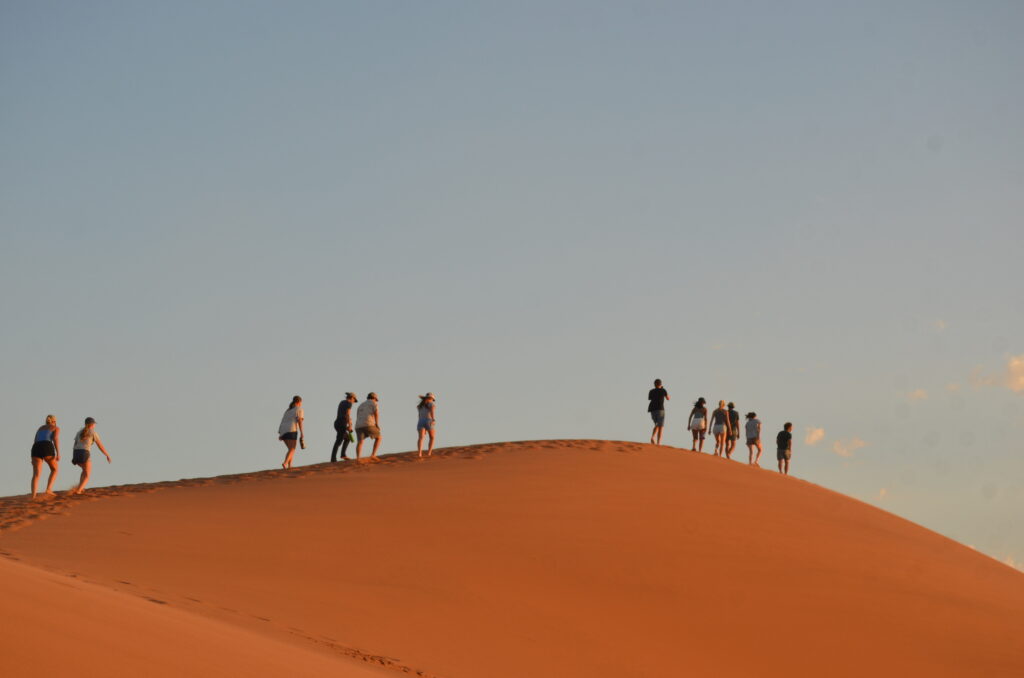
This course challenges students to dive deeply into an ecology project of their choosing while at the Gobabeb Research Institute. They spend two weeks developing a project in small groups, going out in the field to collect data, and analyzing their results.
Projects cover a wide range of subjects. Below, we have the four projects from the 2025 AFSP.

Group #1
Cape Sparrows Nest Selection
Overview
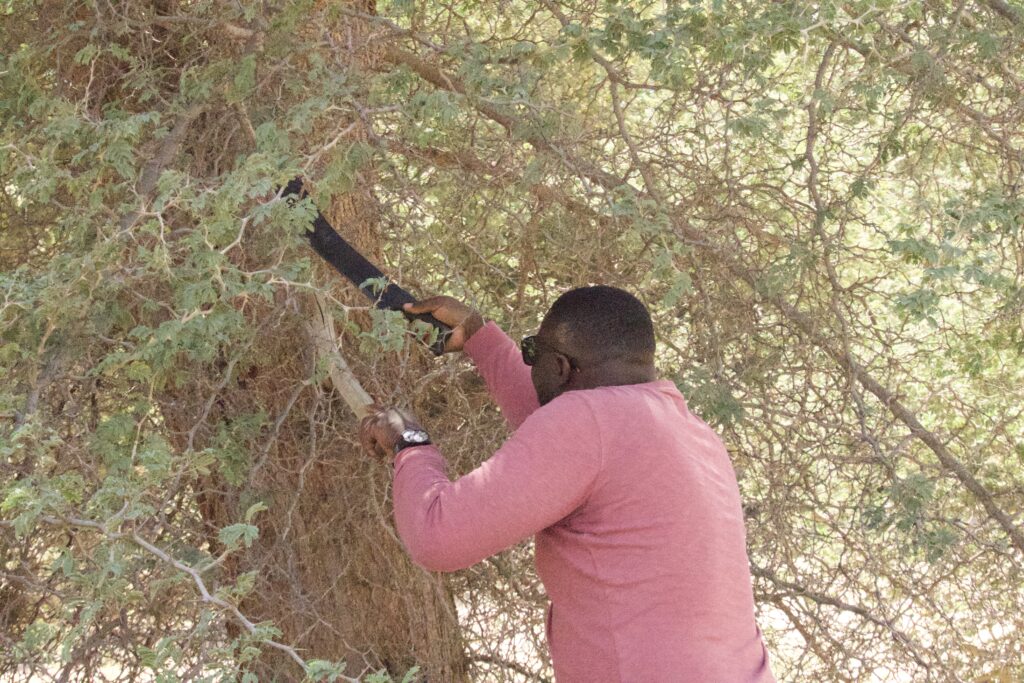
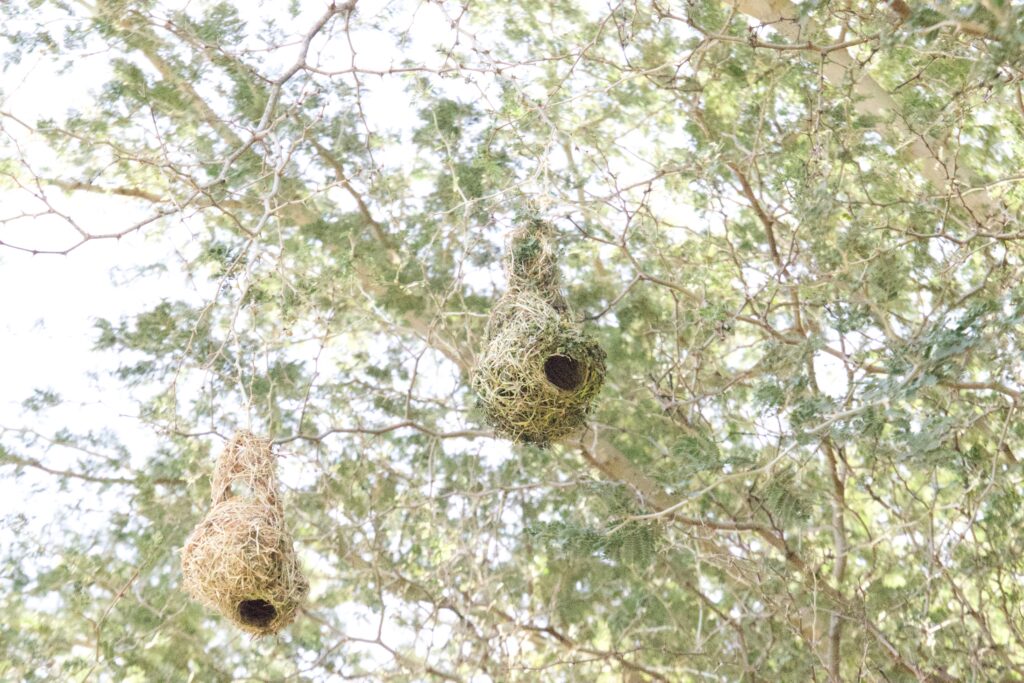
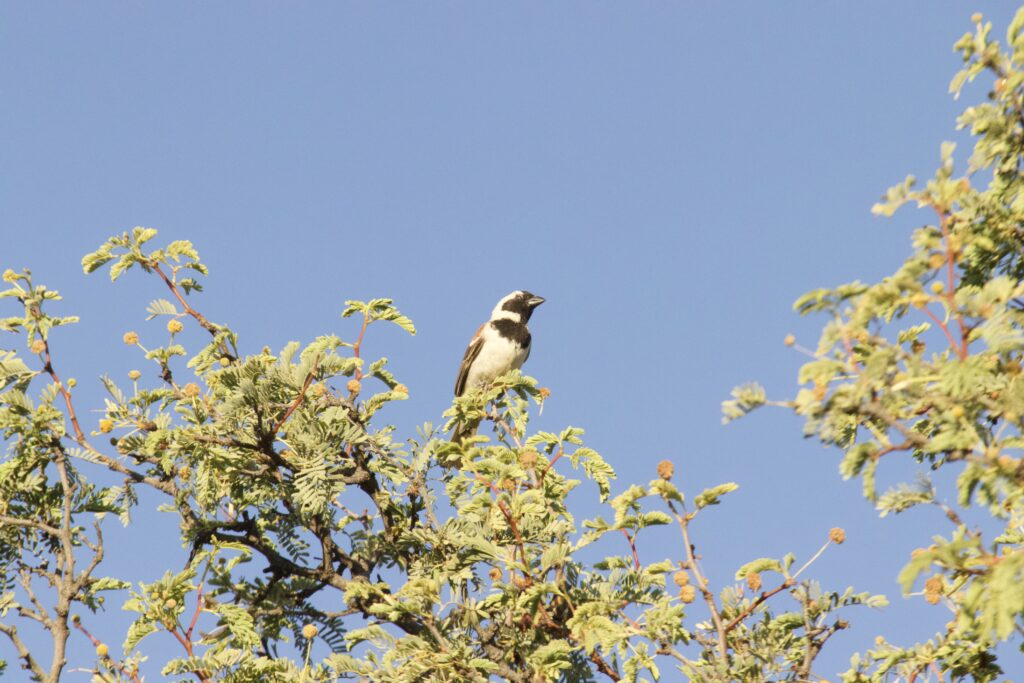
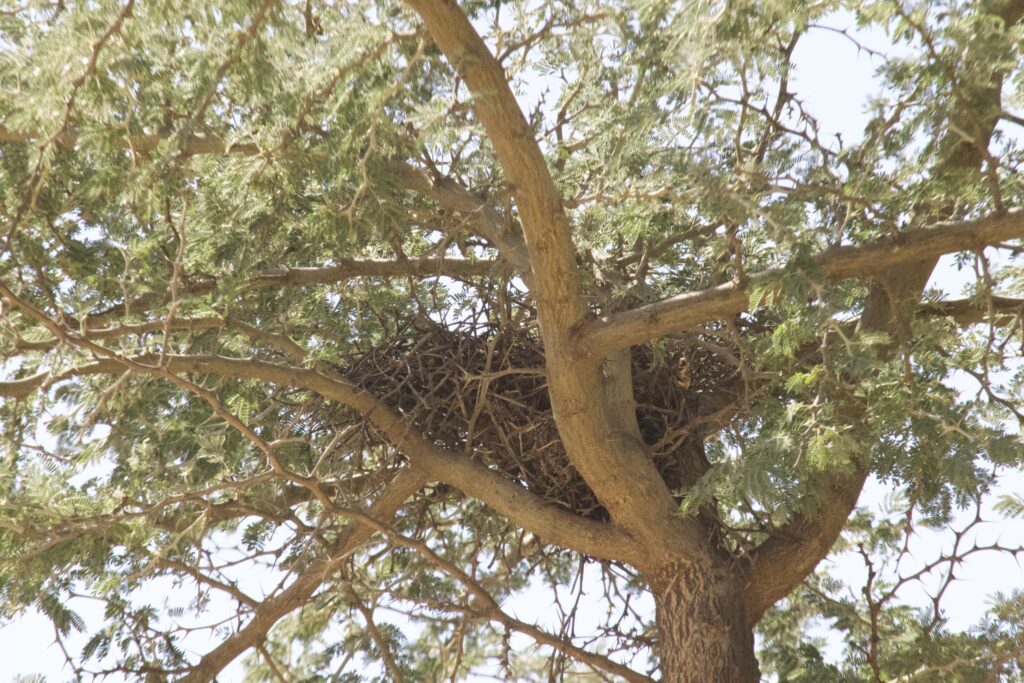
This study tried to figure out what makes Cape Sparrows choose certain trees to build their nests in along the Kuiseb River in Namibia.
The students measured 100 trees across five sites, looking at things like tree size, canopy thickness, species, and whether nearby trees also had nests.
Results
They found that the biggest factor wasn’t the tree itself, but whether a neighboring tree already had a nest — suggesting these social birds are mainly following each other when deciding where to nest.
Group #2
Biocrust and their Relationships with Pencilbush
Overview:
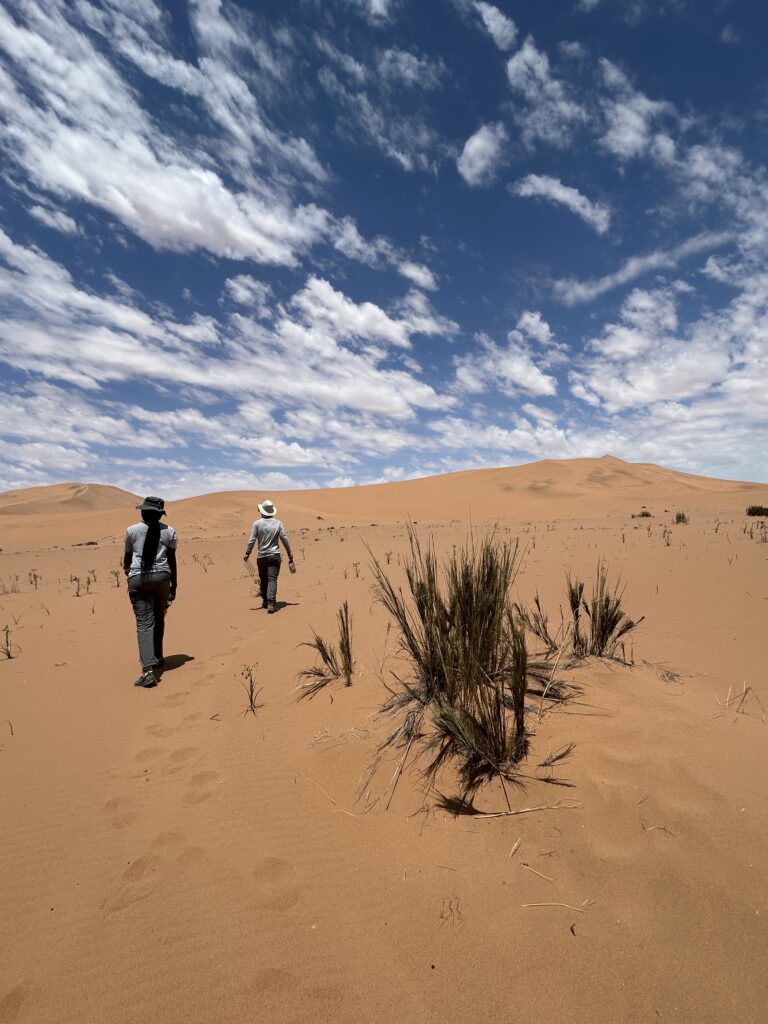
This study looked at why there are bare patches, or “halos,” around pencil bushes in the Namib Desert, where the ground is otherwise covered in a living crust of lichens and tiny organisms.
Students measured things like light levels, root presence, soil quality, and crust coverage at different distances from 14 bushes to figure out what was causing these bare zones.
They found that the bush roots near the surface are likely competing with the crust for water, which is why the crust can’t grow close to the bush.
The students on the biocrust team also participated in collecting data for CRUSTNET, a global network of standardized biocrust data collection. These samples were the FIRST CRUSTNET samples taken in Africa.


Group #3
Phylogenics of Invasive Plant Species
Overview:
This study explored why certain invasive plants are able to succeed around the Gobabeb area in the Namib Desert, testing two old ideas from Darwin:
- Invaders do well because they’re similar to local plants.
- Invaders do well because they’re different enough to avoid local plant-eaters.
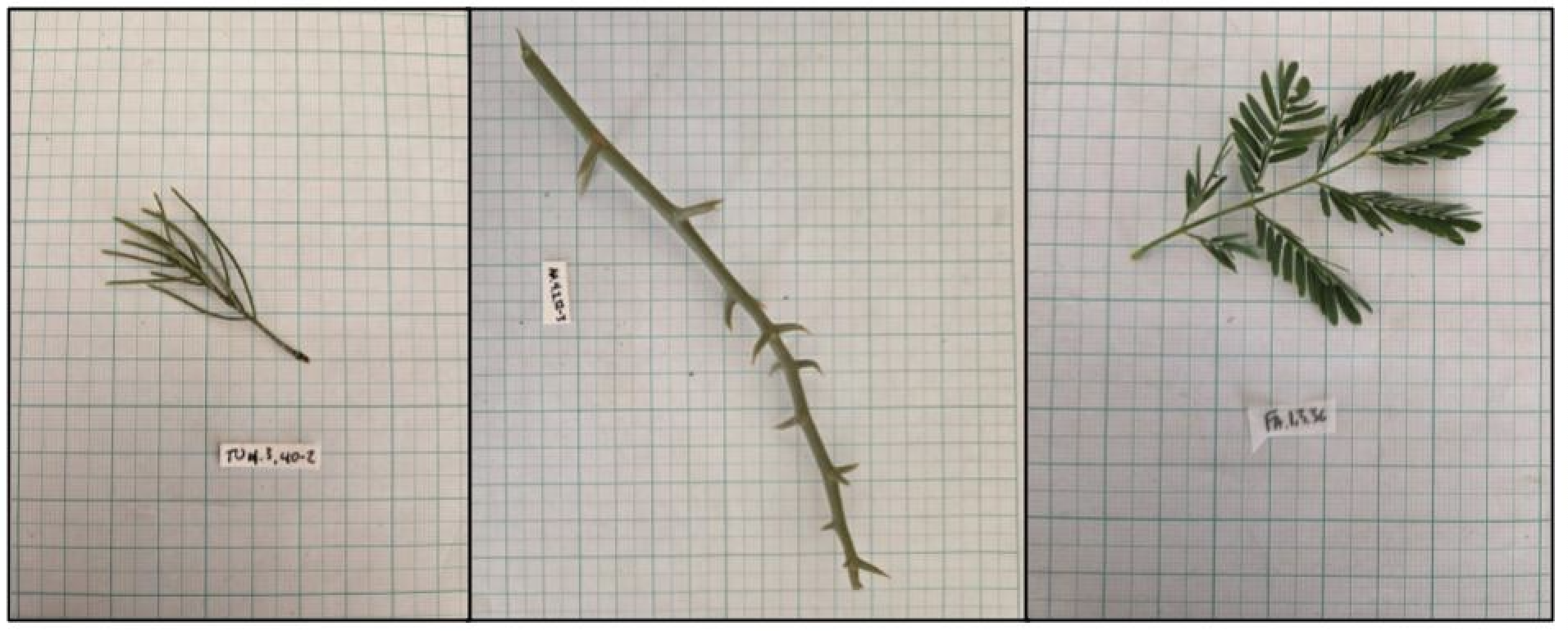
The team surveyed both invasive and native plants at nine sites, measuring things like how much they were being eaten and how closely related they were to the plants around them. They found that being more distantly related to nearby plants did help invasives avoid being eaten, and surprisingly, invasive plants still got more overall damage than native ones.



Group #4
Plant Water Uptake in a Fog Ecosystem
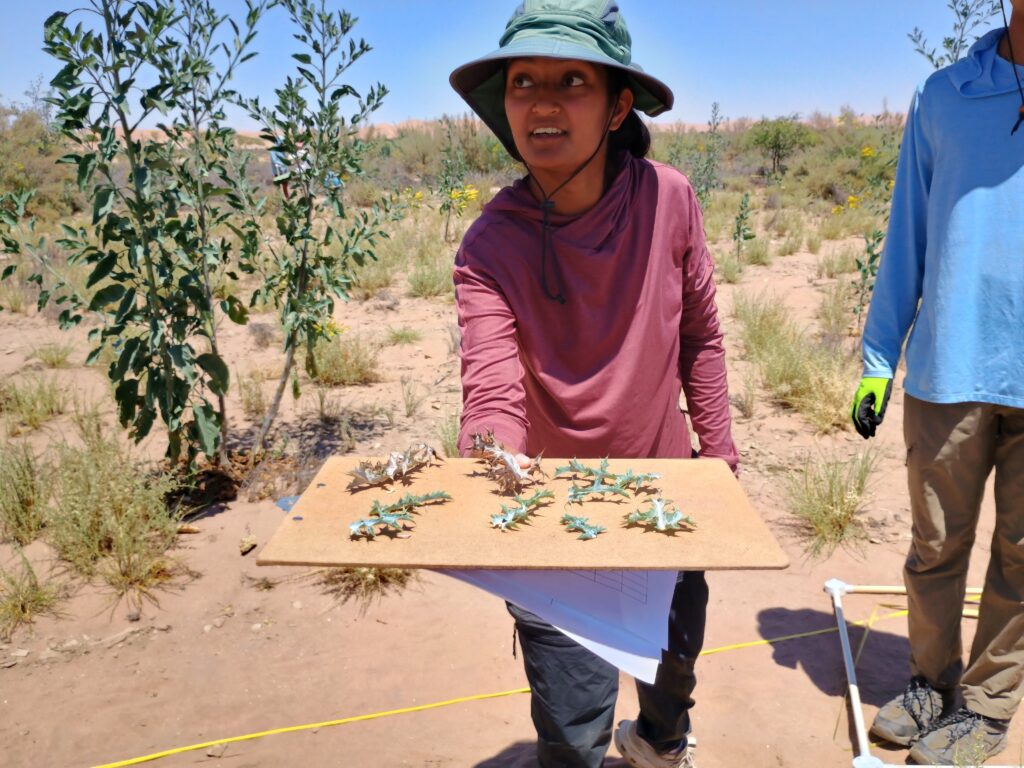
This study looked at how seven tree and plant species along the Kuiseb River in Namibia get their water, especially whether some species are better at absorbing water through their leaves from fog.
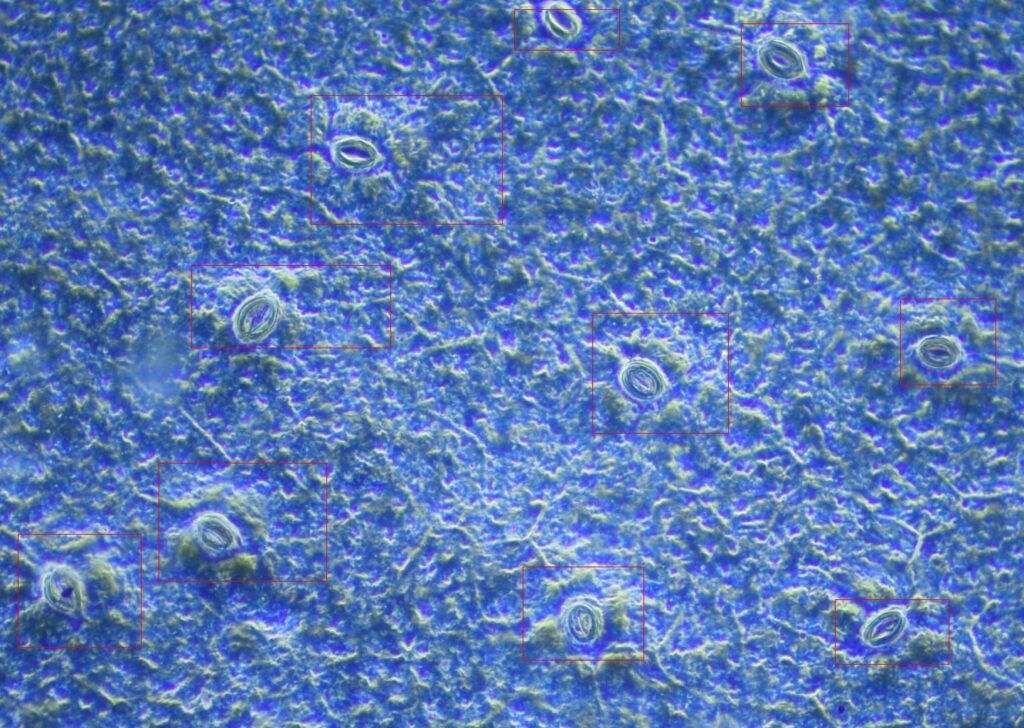
The students visited four sites at different distances from the coast, counted plants, and ran lab tests on leaves to see how much water they could soak up.
They found that some species like the !Nara plant and the toothbrush tree were great at absorbing fog water through their surfaces, but for most species, access to underground water was still the biggest factor in where they grew.