ENVS 42
Policy and Governance
Course Breakdown
This course provides students with a general overview of Namibia, its environmental policies, the nations defining industries and their associated environmental threats.
This course offers a comprehensive insight into the complexities of Namibia’s environmental policy. However, it uses a few specific industries as a case study of sorts
Concentration #1
Fisheries
From meeting with Namibias Ministry of Fisheries to boat tours of different fishing vessels in the Walvis Bay port, AFSP students explored the fisheries industry in a variety of ways. They learned about the interplay of government and corporations, of local fishermen and commercial boats. They explored quota regulations, international political pressures, and the way in which environmental regulations tie into it all.
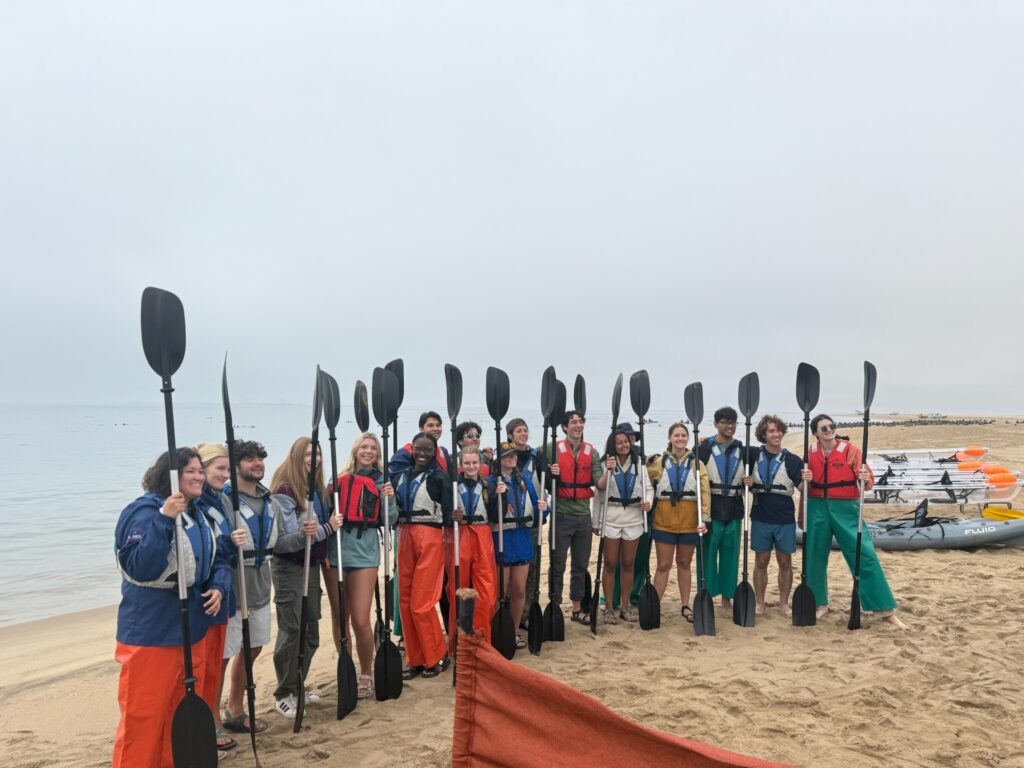
Students prepare for a sea-kayaking adventure with seals
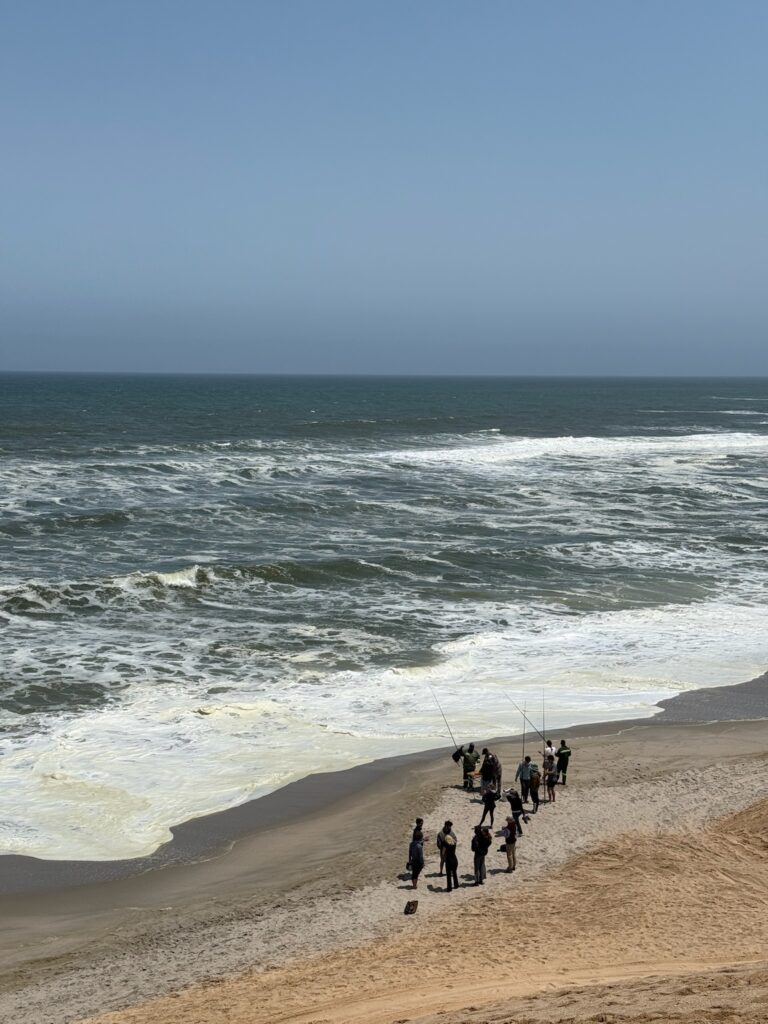
Students learn how to ocean fish from the coast
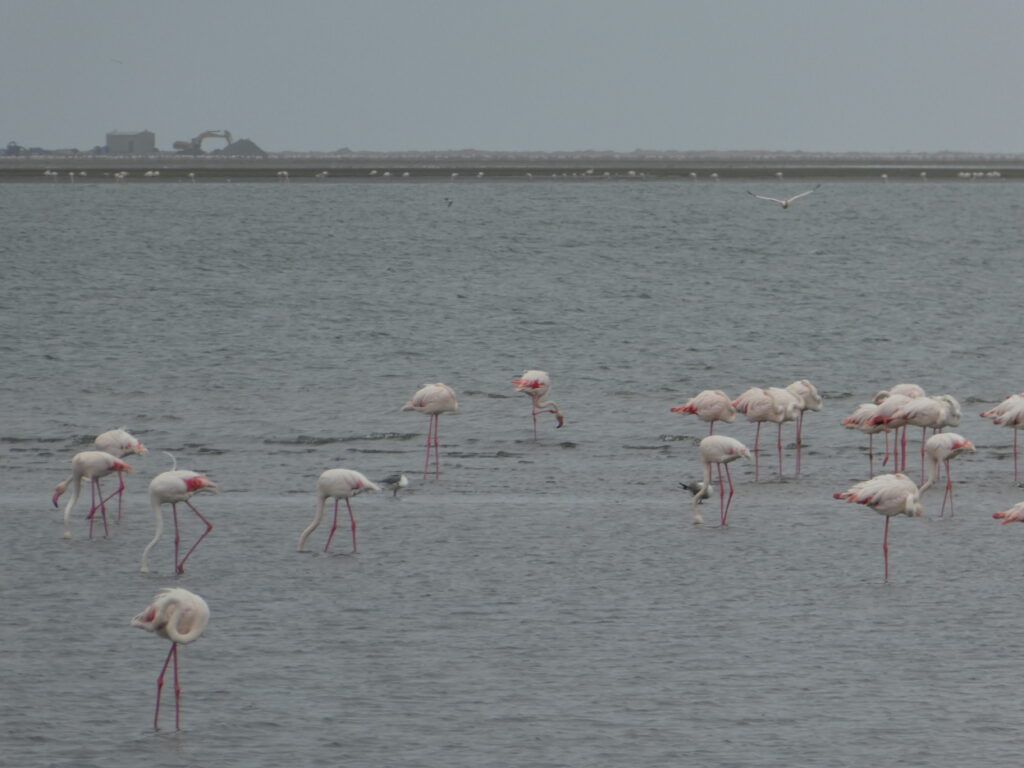
Walvis bay is famous for its flamingos
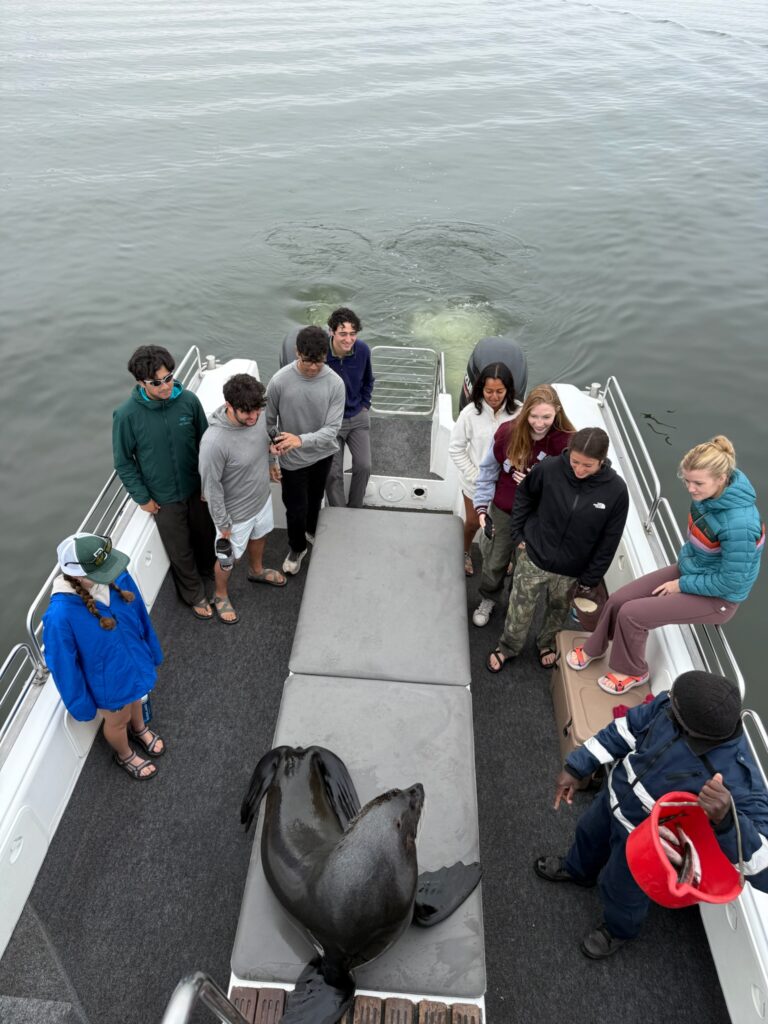
Watch out!!! Seal!!
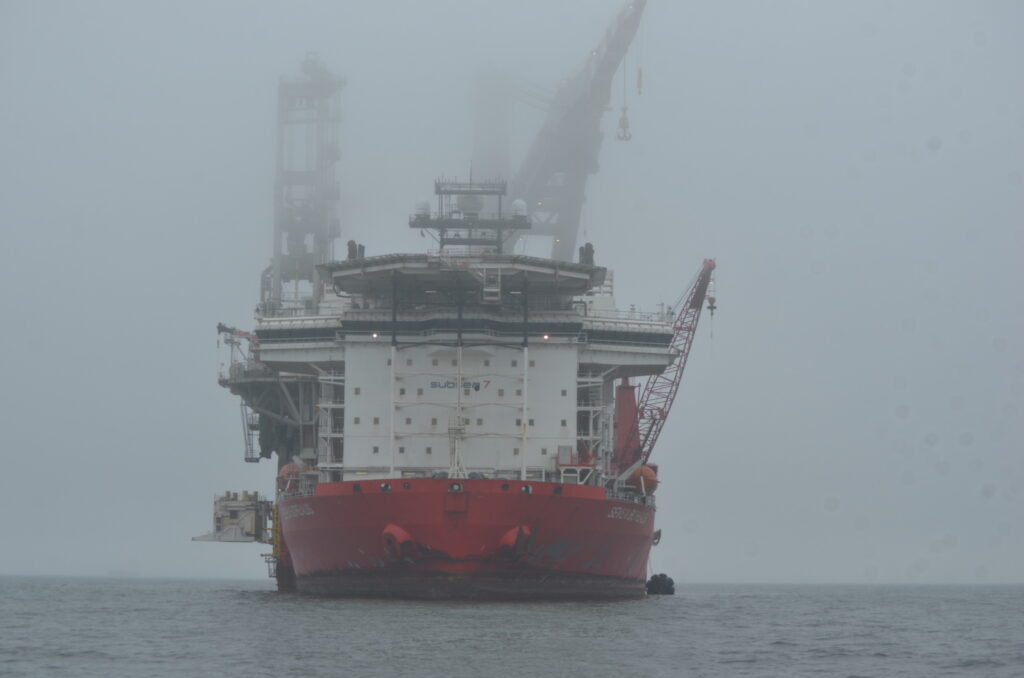
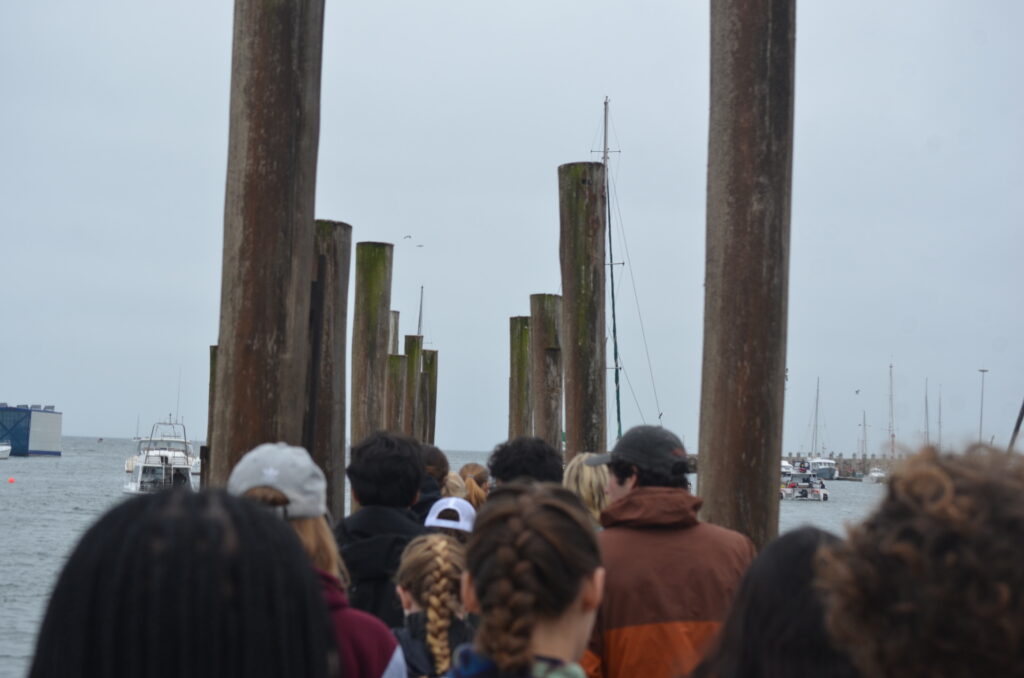
Sights from the Walvis Bay port
Concentration #2
Mining
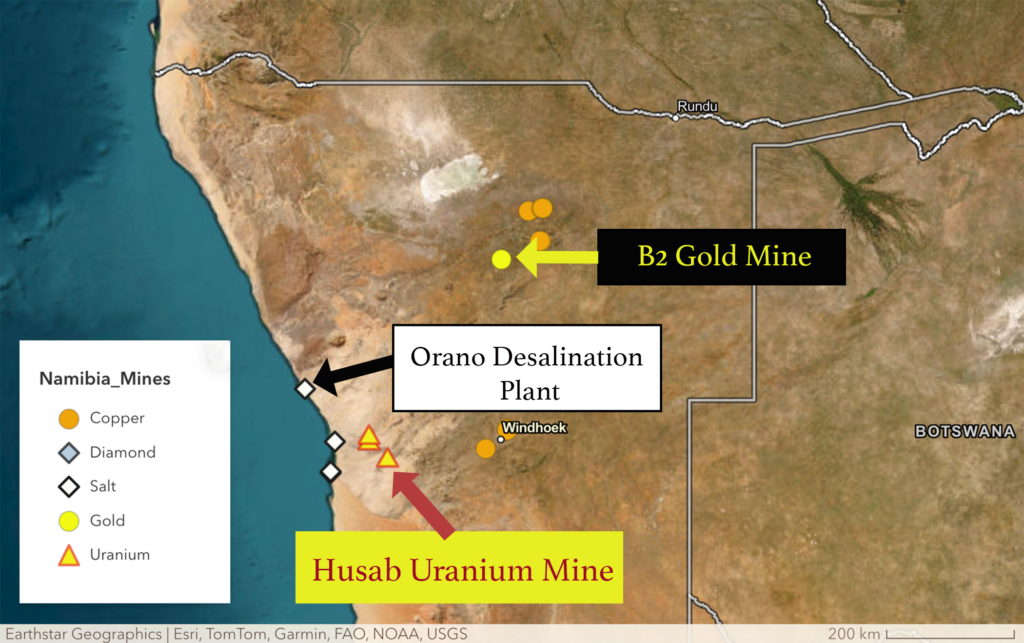
Major mines of Northern and Central Namibia
Mines Visited
B2 gold is a Canadian and Namibian owned mine located within the Otjikoto Nature Reserve. Students grappled with the balance of B2s heavy-handed extractive industry and their associated wildlife protection and restoration work. This is the first exposure students have of industry and wildlife.
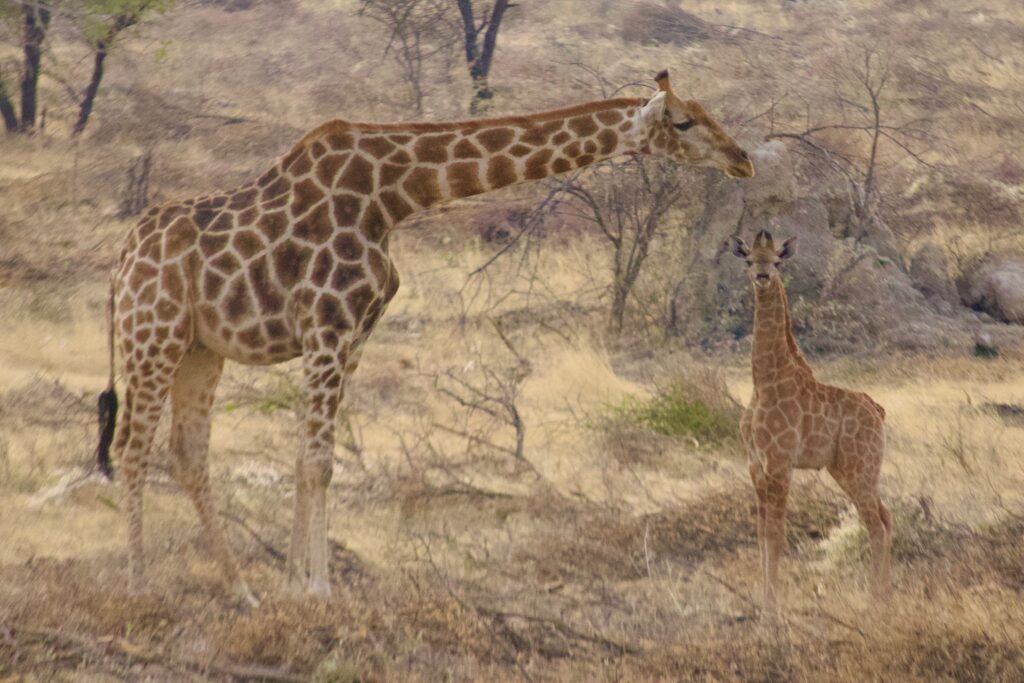
Giraffe in B2s Otjikoto Nature Reserve
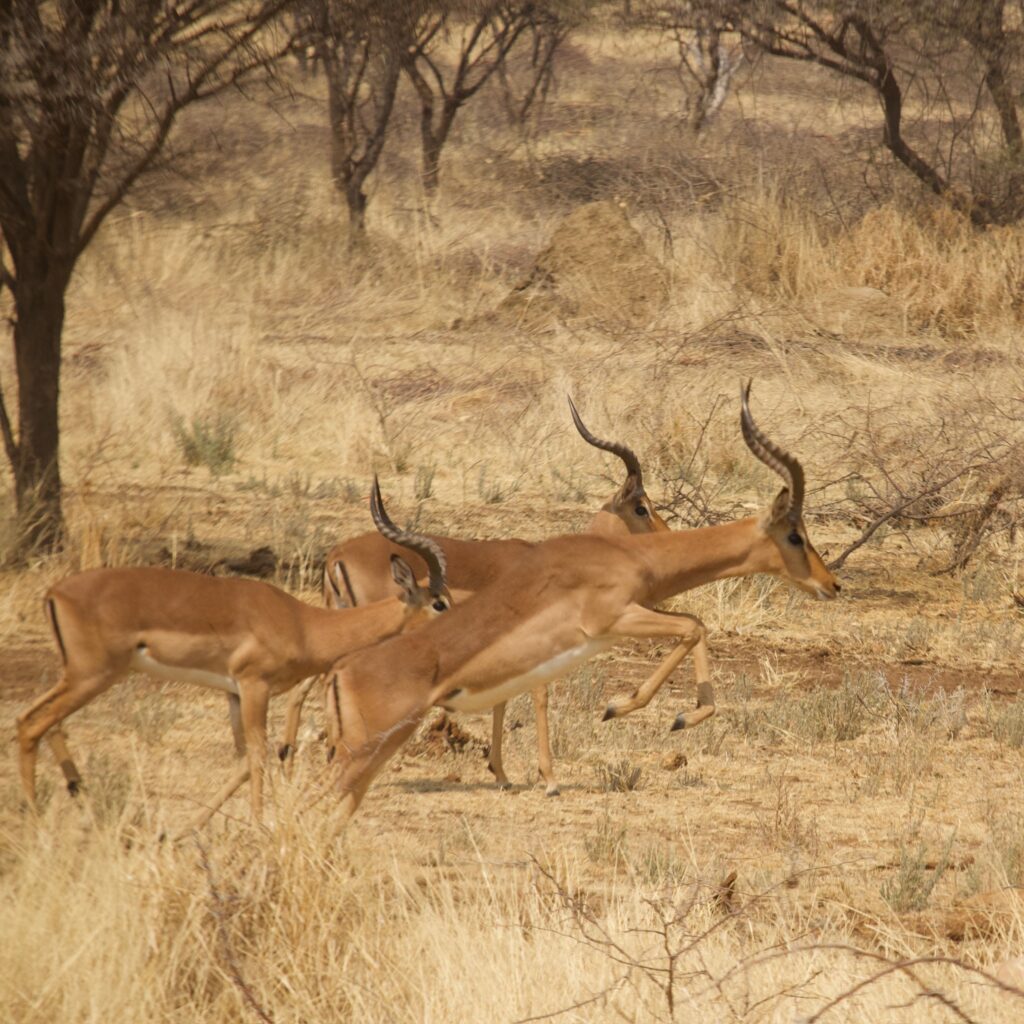
Impala in B2s Otjikoto Nature Reserve
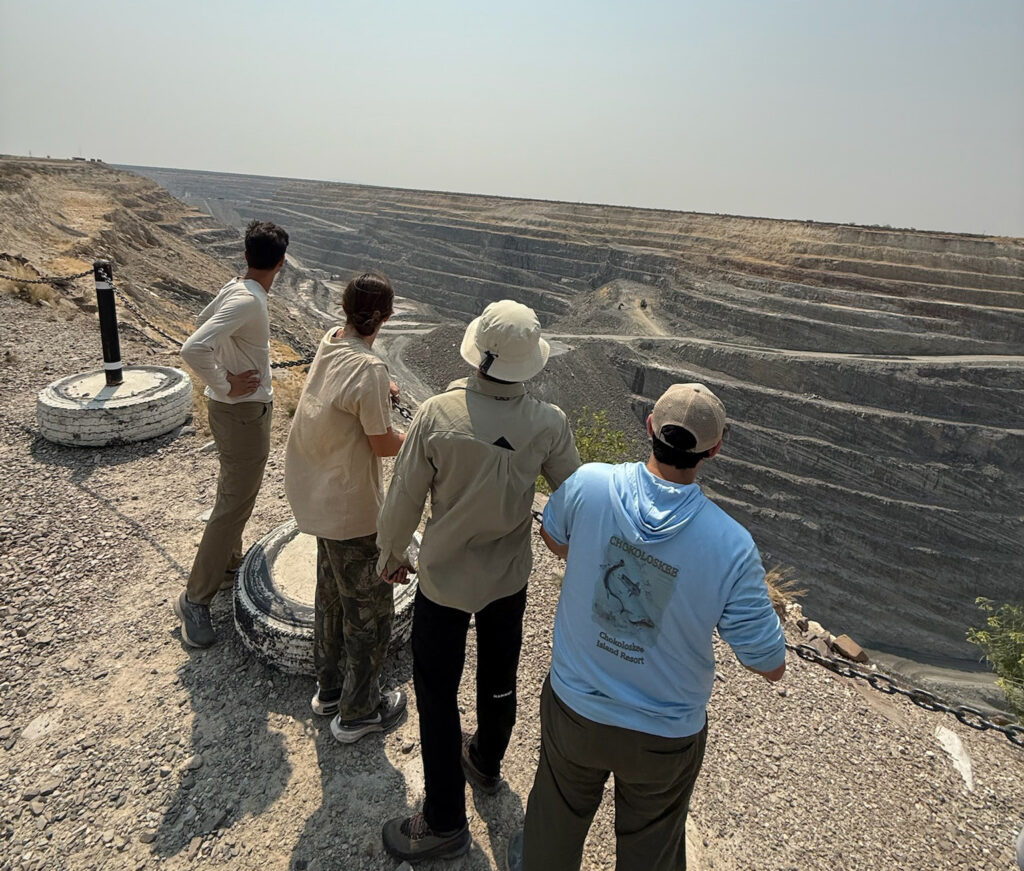
FSP students look over the B2 gold mine
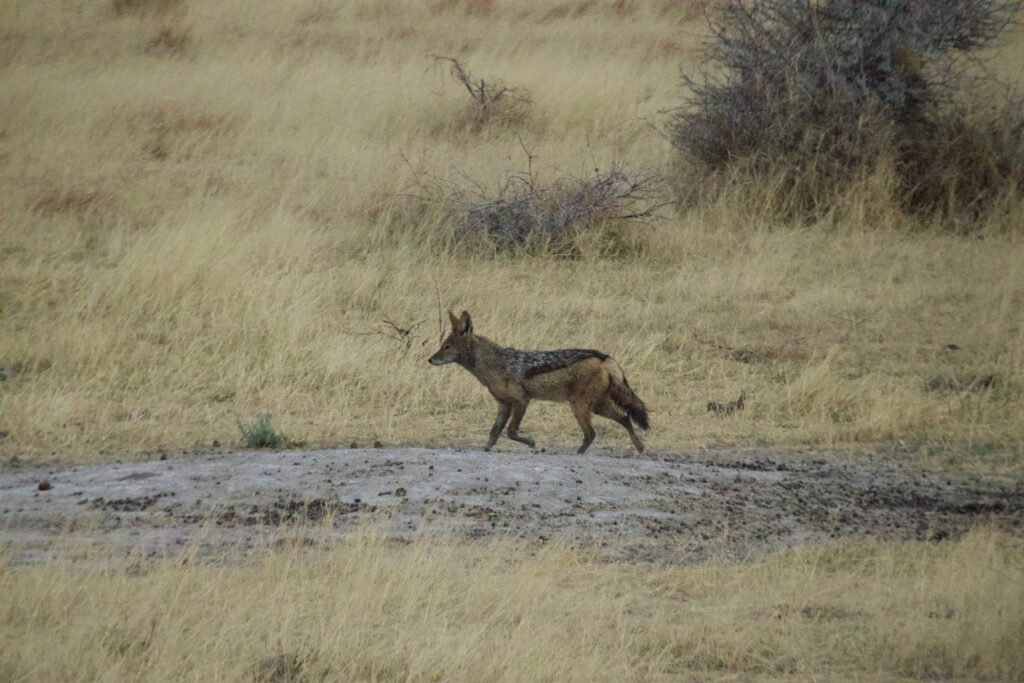
Jackal in B2s Otjikoto Nature Reserve
Husab Uranium is a Chinese and Namibian-owned mine located within the Namib Desert. It is the third-largest uranium mine in the world, and uses an amount of water greater than Namibia’s two largest cities combined. Uranium is one of Namibias fastest growing industries.
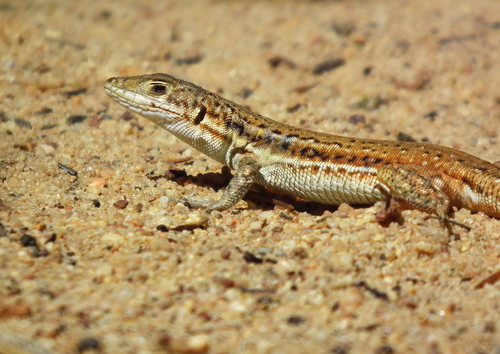
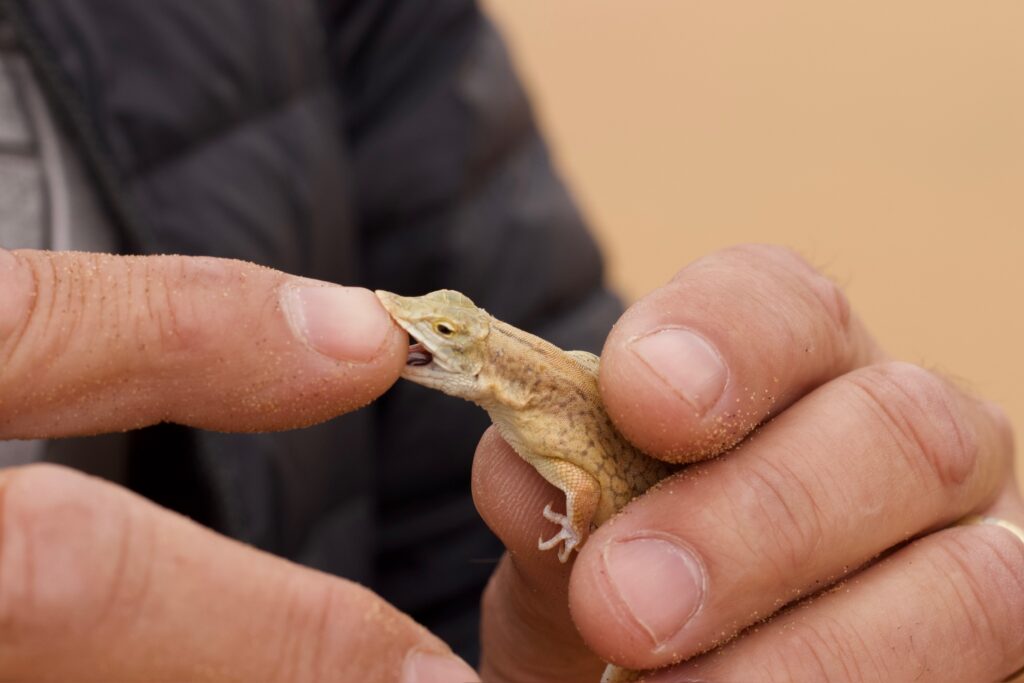
Critically endangered Husab sand lizard
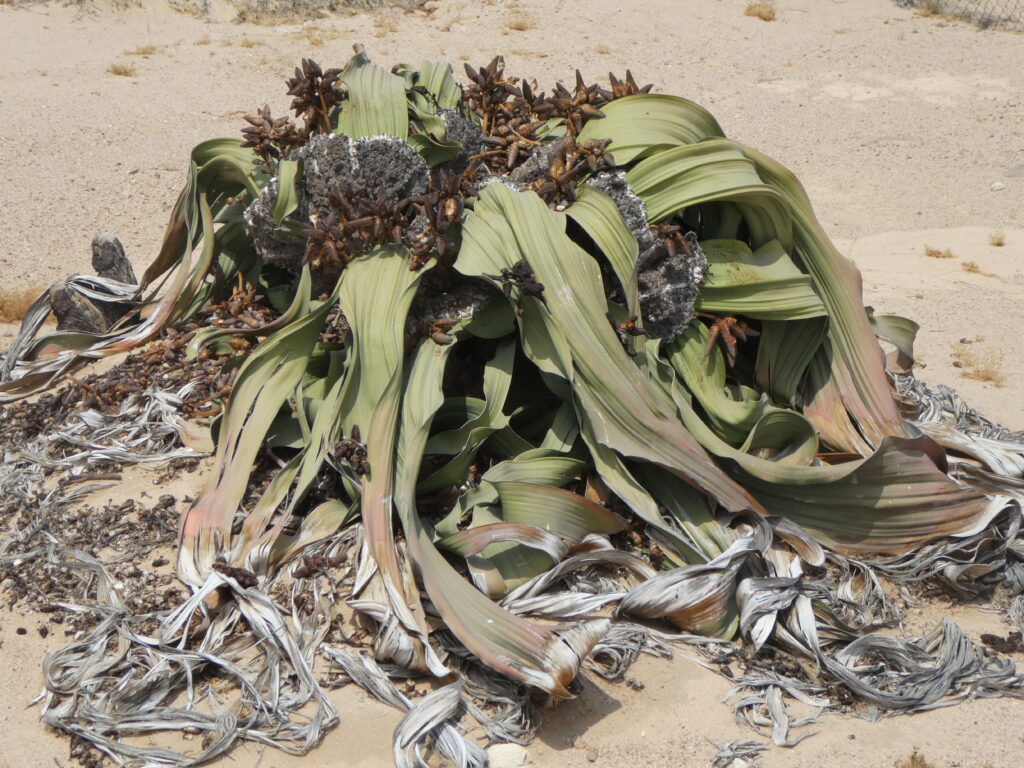
2000 year old desert plant Welwitschia mirabilis on the Husab property
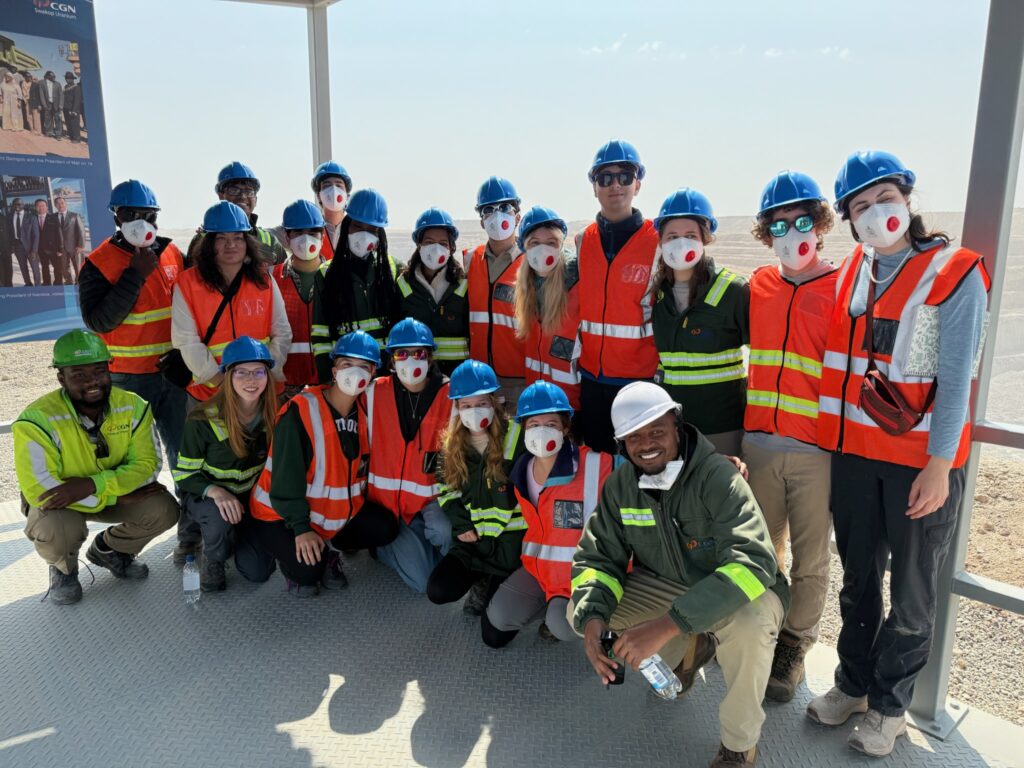
Students peer over Husab uranium mine
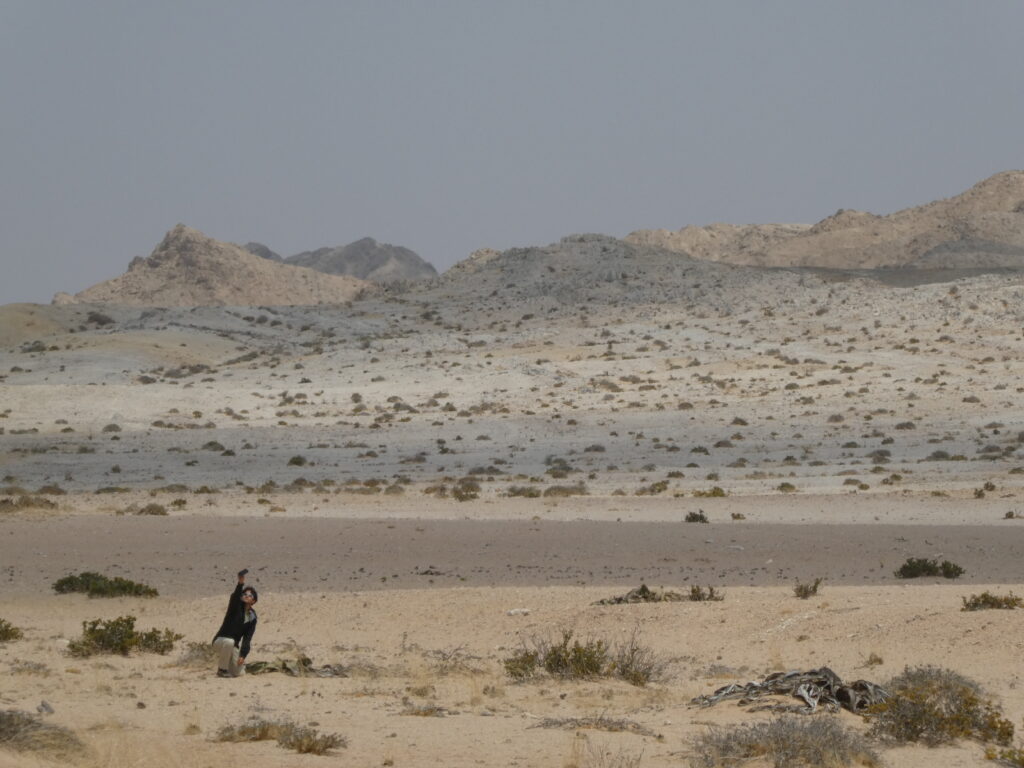
AFSP student with a special interest in botany excitedly takes photo with a rare desert plant
Orano Desalination Plant is a state-of-the-art reverse osmosis plant. Students learn how communities within the hyper-arid desert region can produce sufficient water resources for the industries and growing populations.
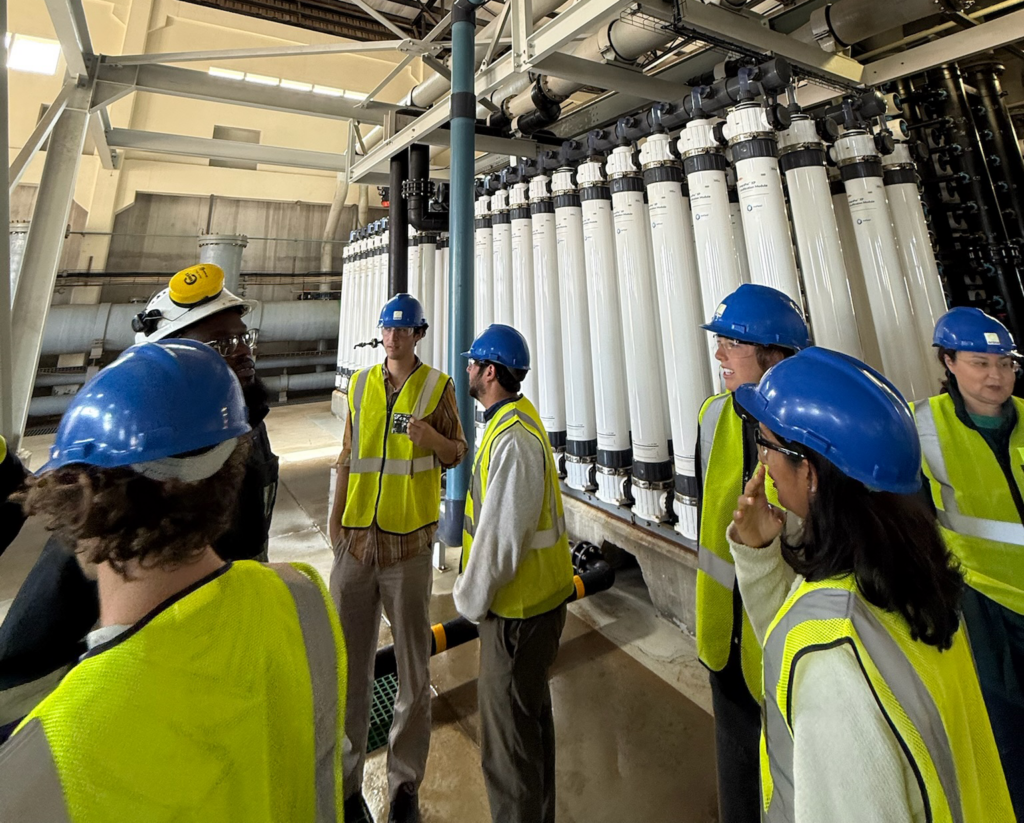
Experimental Learning Activity
Student Partnership and Debates
Students participated in a multi-day analysis and mock debate for a current environmental issue within Namibia. They partnered with students studying fisheries science at the University of Namibia. They worked together to balance stakeholder requests, account for political influences, and formulate hypothetical policies.
Some of the environmental issues the students grappled with were:
- Green hydrogen development in a National Park
- Seabed Phosphate mining and its environmental risks and influence on the rock lobster fishing industry
- Development of ocean based aquaculture of a non-native fish species (salmon)
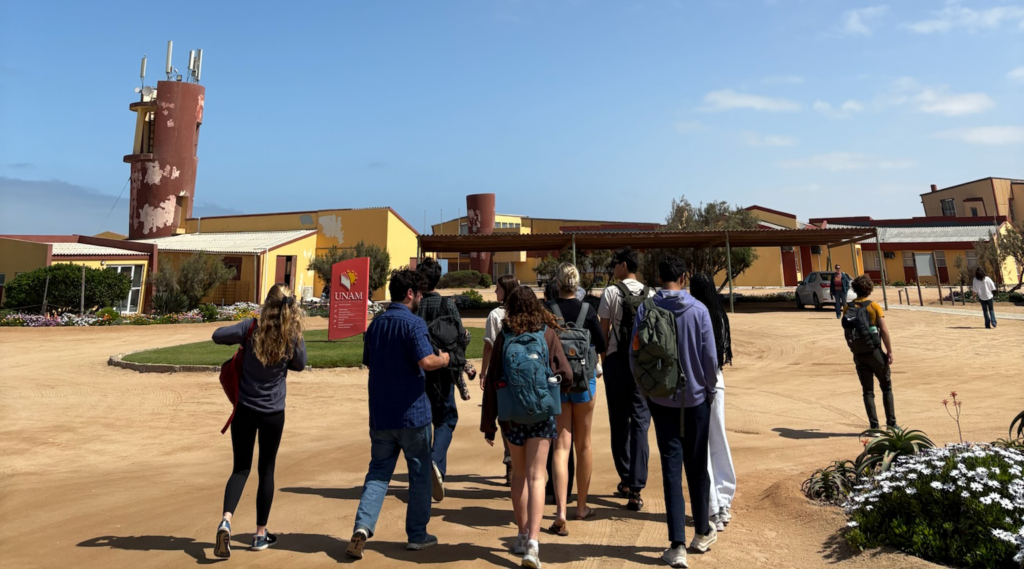
Students arrive at UNAM
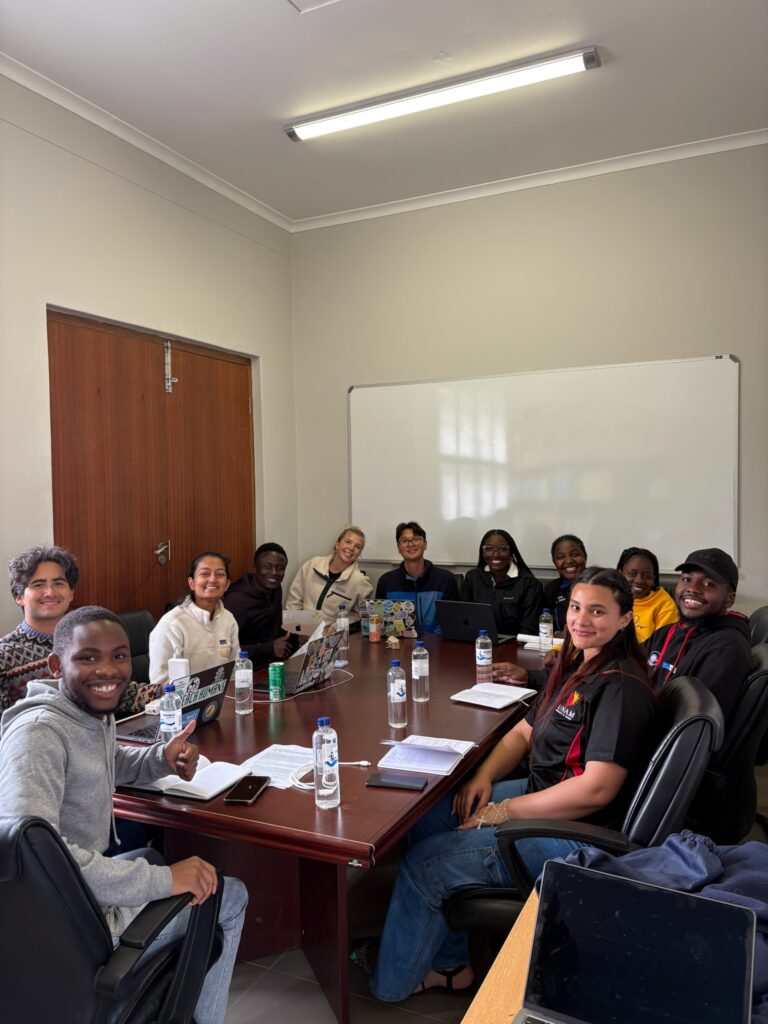
Student participate in a mock debate. All smiles though!!